As a health-conscious individual, it is important to be aware of the different types of diseases that exist to help prevent any possible health complications. One of the major classifications of diseases is communicable and
non-Communicable diseases. Communicable diseases are also known as infectious diseases. They are caused by pathogens such as bacteria, viruses, fungi, and parasites which can spread from one person to another through contact, air, water, or food. On the other hand, non-communicable diseases are not infectious and are caused by factors such as genetics, lifestyle, and environmental factors. Understanding the difference between these two types of diseases is crucial in minimizing their spread and impact. It is also important to know which diseases fall into which category. One helpful exercise in this regard is to identify which diseases are not examples of communicable diseases. One example of a non-communicable disease is cancer. Cancer is a disease that develops from abnormal growth of cells in the body. It is not caused by pathogens, and therefore, it cannot be transmitted from one person to another. Heart disease is another example of a non-communicable disease. It is caused by a combination of factors such as high blood pressure, high cholesterol, smoking, and obesity. It is not caused by pathogens, and therefore, it cannot be transmitted from one person to another. Diabetes is also a non-communicable disease. It is a chronic disease that affects the way the body processes blood sugar. It is not caused by pathogens, and therefore, it cannot be transmitted from one person to another. Other examples of non-communicable diseases include arthritis, asthma, and Alzheimer's disease. It is important to note that while these diseases are not communicable, they can still have a significant impact on a person's health and well-being. Proper diagnosis and treatment are important in managing these conditions. On the other hand, communicable diseases are caused by pathogens and can easily be transmitted from one person to another. Examples of communicable diseases include influenza, tuberculosis, measles, and HIV/AIDS. Preventative measures such as vaccinations, practicing good hygiene habits, and avoiding contact with infected individuals are important in minimizing the spread of communicable diseases. Being aware of the different types of diseases is an important step in maintaining good health. Proper prevention and management can help prevent the spread and impact of these diseases and promote a healthier lifestyle.
If you are searching about Communicable Diseases - YouTube you've visit to the right web. We have 7 Pics about Communicable Diseases - YouTube like Communicable And Non Communicable Diseases - Its Types & Causes, PPT - Communicable Disease PowerPoint Presentation, free download - ID and also Causes of Communicable Disease GCSE Full Lesson | Teaching Resources. Here it is:
Communicable Diseases - YouTube
 www.youtube.com
 communicable
PPT - Communicable Disease PowerPoint Presentation, Free Download - ID
 www.slideserve.com
 communicable disease ppt powerpoint presentation skip video
⚗️Which Of The Following Is NOT An Example Of A Communicable Disease
 brainly.com
 Another Name For A Communicable Disease Is - Captions Trend
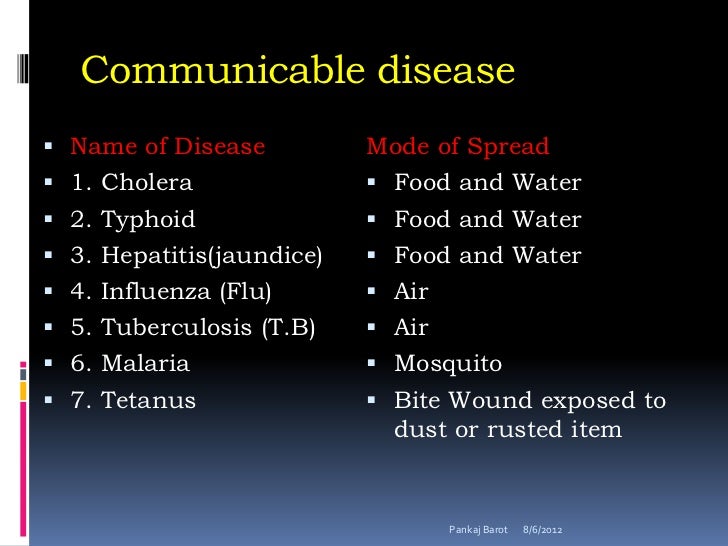 captionstrendnl.blogspot.com
 communicable diseases scandisk spread cholera
Causes Of Communicable Disease GCSE Full Lesson | Teaching Resources
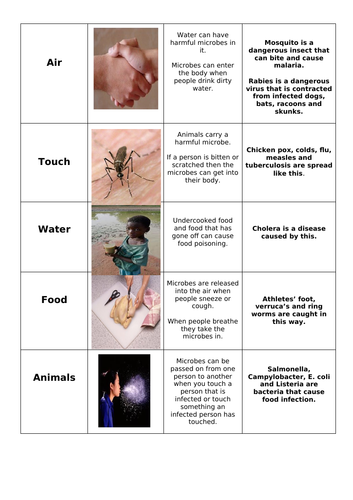 www.tes.com
 communicable disease causes docx gcse lesson kb
Communicable And Non Communicable Diseases - Its Types & Causes
 byjus.com
 communicable diseases non disease spread class example types infectious different causes control byjus another biology infections common called caused malaria
Communicable Disease
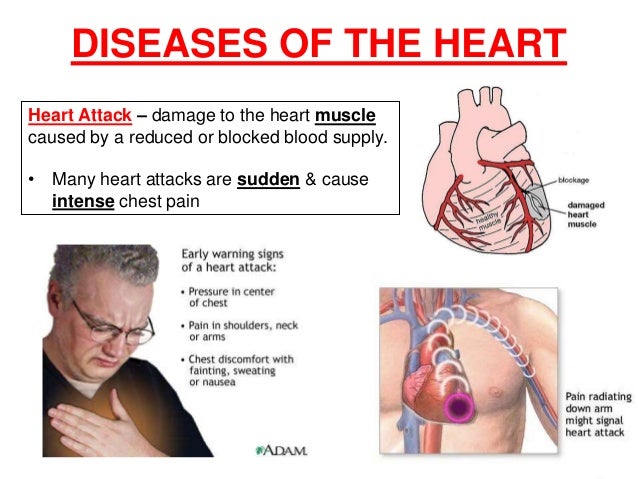 www.slideshare.net
 communicable
Another name for a communicable disease is. Communicable disease. Communicable disease ppt powerpoint presentation skip video

0 Response to "What Is A Communicable Disease Brainly Communicable Diseases"
Post a Comment